Engineering records / Engineering record / CABLE-SEAL-AUDIT
Cable Seal Audit.
Geometry, analysis and remaining engineering work for Cable Seal Audit.
Retained development study. Dimensions, names and checks belong to this revision—not automatically to the retrofit-only product. Manufactured tank shells are deferred. No installation instruction, certification or manufacturing release is represented.
The source reasoning
Why this detail was investigated.
The current R3 interface has two independent sealing defects:
Read the research and limitsResearch record
The detail behind
the study.
Source-linked work for this revision. Reported checks describe the stated model or test; physical qualification and applicability to the current retrofit remain separate.
Connector seal architecture audit
The current R3 interface has two independent sealing defects:
1. Zero nominal radial squeeze. The ring cross-section is1.4 mm; the radial distance between the groove root14.8 mm and mating bore16.2 mm is also1.4 mm. The model establishes no initial compression. 2. Interrupted mating land. Receiver keyways pass through Z20–22, the ring location. A0.2 mm thick reference band of mating material is missing2.885886 mm³ in that zone. Enlarging the ring alone does not create a continuous mating surface.
At Z32–34, the same receiver-land check finds no missing material. A forward sealing-spigot arrangement can separate the keyways from the seal. However, a diagnostic tube occupying radii12–16 mm over Z30.5–35 overlaps the present receiver dielectric by1583.362697 mm³. Moving the seal forward therefore requires coordinated mechanical/insert geometry, not just a relocated torus.
Extend the plug's forward spigot and place its sealing gland beyond the keyway ends. Reshape the receiver dielectric support to clear that spigot while retaining contact support, rather than blindly extending two overlapping solids. Then define actual O-ring size/material and gland dimensions, squeeze/fill limits, lead-in edges, finish and tolerances. Check mating and unmating through the entire service path. Installation abrasion, pressure, chemicals, temperature, compression set and electrical isolation remain unverified.
The proposed topology is not yet integrated. This audit makes no waterproof, immersion or manufacturing-readiness claim. It identifies why the current seal envelope cannot support those claims.
record.json contains the exact geometry findings and current CAD source hashes. sealing-land-diagnostic.step contains four valid reimported diagnostic solids: reference bands and missing-land regions. They are inspection aids, not product or seal geometry. audit.py is a copy of the workspace audit utility; it runs from work/cable-seal-audit against the locked CAD environment and current source modules.
No product CAD changed during this audit. Existing successful fit tests did not test squeeze or uninterrupted sealing land; their pass remains scoped to their original geometric checks.
Source and revision record
Source: cable-seal-audit/README.md
Source SHA-256: 8fb2dde45eec91db2999e0596e4e6697f30ddc3ae3b2cd07752fa17029112697
Geometry and images describe this development revision. Current product ratings and manufacturing release require separate qualification.
Keep exploring the research.
Engineering records / Engineering record
Cable Ring Installation Audit
Geometry, analysis and remaining engineering work for Cable Ring Installation Audit.
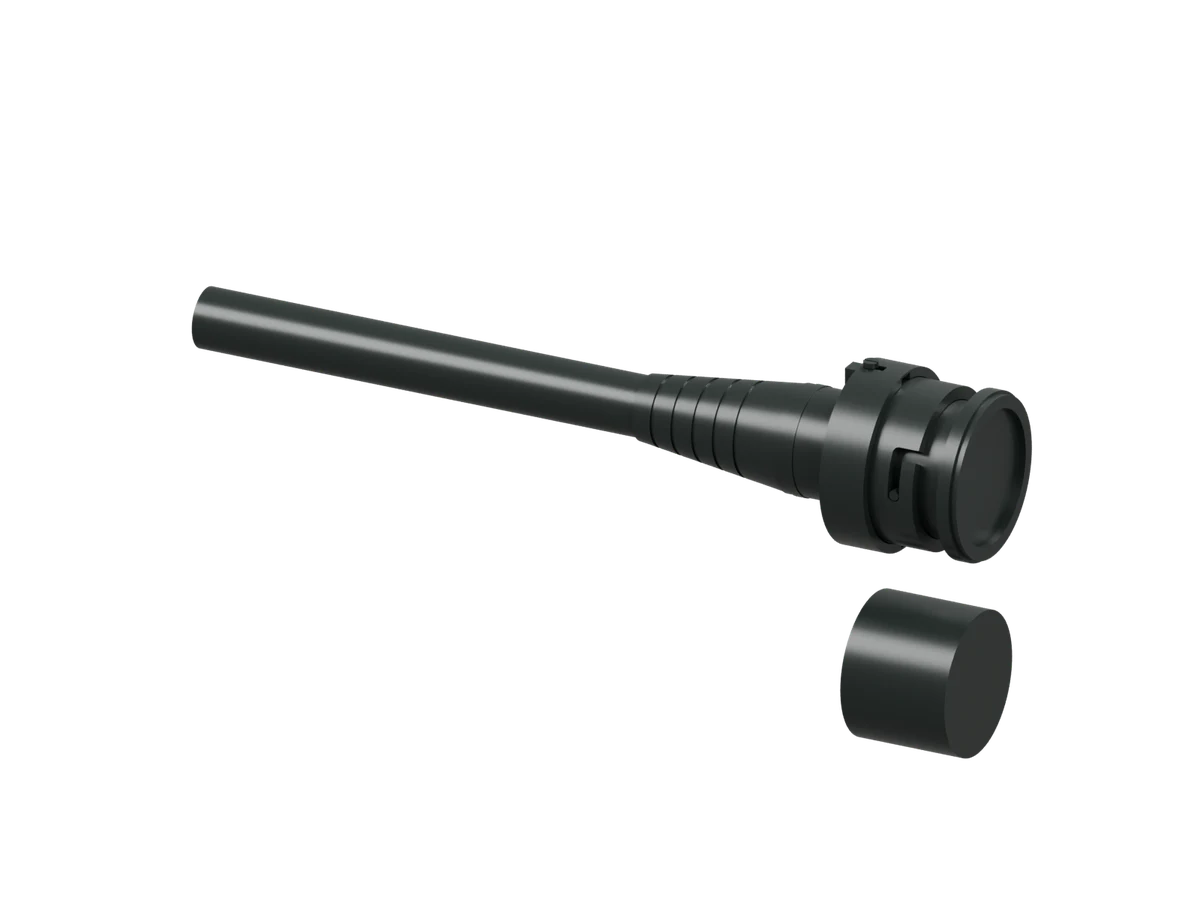
Connections / Development CAD
Link threaded stops
Inspect the latest complete termination geometry with modeled threaded stops.
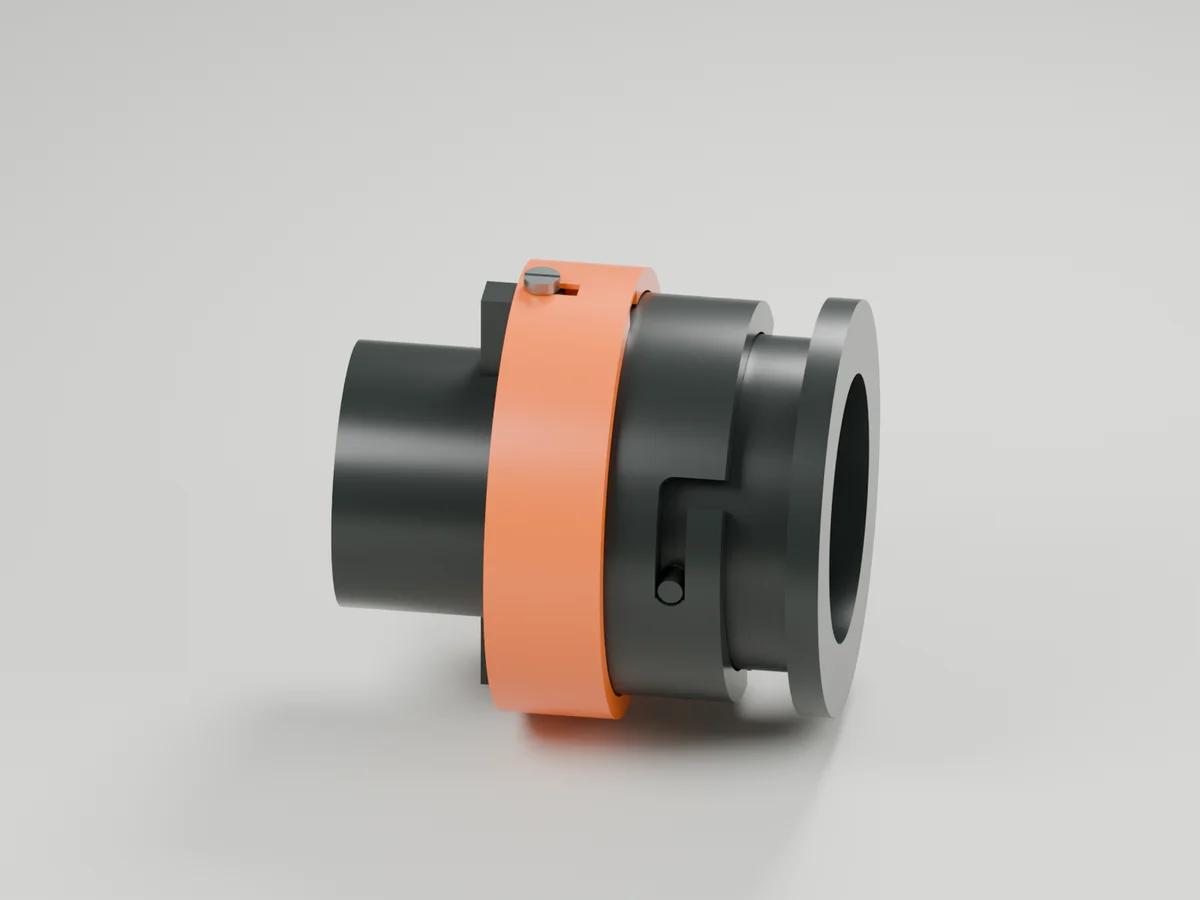
Connections / Design study
Link sleeve stops
Radial shoulder stops capture the sleeve around a proposed 3 mm release motion.
Return to the current product.
Explore the retrofit-only platform and its compatibility, installation and service objectives.
Explore the retrofit